Skip to content
 Before you install your deck made of plastic wood composites, it’s vital to lay a solid foundation. Start by clearing the area of debris, rocks, and vegetation. Level the ground to prevent water pooling, which can damage your deck over time. Next, consider using gravel for drainage and stability. This preparation ensures your deck will remain secure and last for years to come.
Installing the Substructure
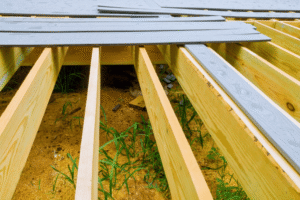
The substructure is the backbone of your synthetic wood deck, providing essential support and stability. Start by installing treated wood beams or metal supports, ensuring they’re level and spaced according to your deck’s design. Use concrete footings for added strength, and double check measurements. Securely attach your beams to the brackets with screws to prevent movement. A solid substructure sets the stage for a successful deck installation.
Laying the First Deck of Plastic Wood Composites Board
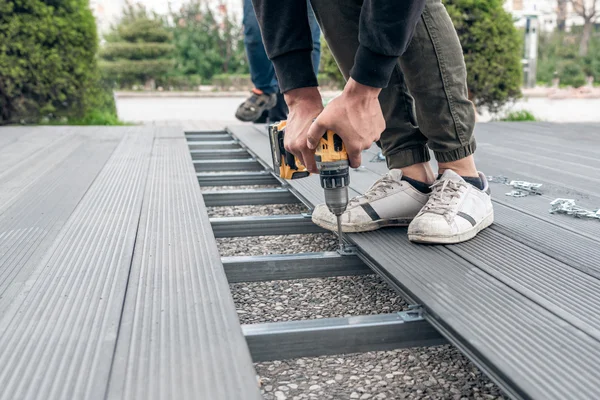
Laying your first plastic wood composite board is an exciting step in your deck project. Start by positioning the plastic decking board against the edge of your substructure and ensuring it’s properly aligned. Use spacers to maintain consistent gaps for drainage and expansion. Secure the board with screws, making sure they’re flush with the surface. Double check your alignment before moving on; this sets the foundation for your deck.
Installing Additional Boards
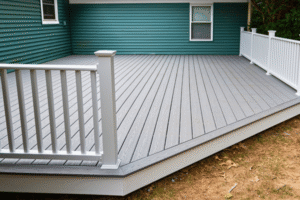
Once you’ve secured your first board, you’ll typically proceed to install the remaining boards. Align each new board with the previous one, ensuring there’s a consistent gap for drainage. Securely fasten them using your chosen method, whether hidden clips or screws. Check for levelness as you go, making adjustments if necessary to keep everything even and stable.
Finishing Touches
After securing all the boards, it’s time to focus on the finishing touches that will enhance the overall look and durability of your new vinyl deck. Start by adding trim around the edges for a clean finish. Then, consider applying a sealant to protect against the elements. Finally, clean the surface to remove any debris, ensuring your deck looks pristine and inviting.
Final Inspection
With construction complete, a thorough final inspection ensures alignment, safety, ventilation, and drainage. Careful checks protect durability, enhance appearance, and guarantee your deck remains strong and beautiful for years.
Checking Alignment and Level
Before you start enjoying your new engineered decking, it’s essential to guarantee everything is aligned and level. Use a long level or a straightedge to check for any gaps or uneven areas. Adjust the joists or boards as needed to ensure they’re flush with each other. A well aligned deck not only looks great but also enhances safety and durability for years to come.
Ensuring Proper Ventilation and Drainage
Once you’ve assured your deck is properly aligned and level, it’s time to focus on ventilation and drainage. Ensure there’s sufficient space between the deck boards to promote air circulation and prevent moisture buildup. Ensure water can flow away from the deck’s edges. Proper drainage helps prevent mold and extends your deck’s lifespan, keeping it looking great for years.
Maintenance for Longevity
Proper maintenance is essential for ensuring the longevity of your plastic wood materials. Regularly clean the surface with a mild soap solution and a soft brush to remove dirt and debris. Avoid using harsh chemicals or abrasive tools that can damage the material. Inspect for any signs of wear or damage, and address issues promptly to keep your deck looking great for years to come.
Problems to Avoid
When installing your composite wood deck, avoid common mistakes that can lead to issues down the line.
Incorrect Joist Distance
One of the most critical mistakes you can make during your deck installation is setting the joists too far apart. If you space them incorrectly, it can result in a weak structure that may sag or collapse under load. Always follow the manufacturer’s joist spacing guidelines to ensure your deck remains sturdy and safe for years to come.
Choosing the Wrong Fasteners
Choosing the wrong fasteners can undermine all your hard work on the deck, just like improper joist spacing can compromise its structural integrity. Using screws instead of specialized deck fasteners can lead to corrosion or insufficient holding power. Make sure you select corrosion-resistant materials designed for plastic wood, and double check compatibility to ensure a secure, lasting installation. Your deck deserves it!
Cost and Budget Considerations
Before diving into your deck-plastic wood composite installation, it’s crucial to consider the costs involved to ensure your project stays within budget. Consider materials, tools, and labor costs, if applicable. You’ll also want to factor in any permits or additional features you might need, such as railing or lighting. Careful financial planning ensures a smooth, successful installation experience.
Final Thoughts on Plastic Wood Deck Installations
Ultimately, installing this type of deck can be a rewarding project that enhances your outdoor space. You’ve learned the steps to guarantee a successful installation, from planning to finishing touches. By following this guide, you can create a durable and attractive deck that requires minimal upkeep. Enjoy your new outdoor area, and don’t hesitate to share your experience with others!
Need help choosing the right materials for your new deck installation project? Book a quick consultation with our local Newton deck specialists today.
Frequently Asked Questions
1. Can I Install a Plastic Wood Deck Myself Without Professional Help?
Yes, you can install a deck like this yourself without professional help. With the right tools and materials, along with careful planning and attention to detail, you’ll achieve great results and save money.
2. How Long Does a Plastic Wood Material Typically Last?
A plastic wood deck typically lasts 25 to 30 years with proper care. You’ll appreciate its durability and low maintenance, but remember to clean it regularly to extend its lifespan and keep it looking its best.
3. Is a Permit Required for Deck Installation?
You’ll likely need a permit for deck installation, depending on local regulations. Check with your city or county office to guarantee you meet all requirements. It’s best to stay compliant and avoid potential fines later.
4. Can I Install Plastic Wood Over Existing Wood for a Deck?
Yes, you can install plastic wood decking over existing wood. Just guarantee the old boards are in good condition, level, and securely fastened. This method saves time and effort while providing a sturdy base for your new deck.
5. How Do I Choose the Right Color for My Deck?
Choosing the right color for your deck depends on your home’s exterior and the surrounding landscape. Consider complementary shades, lighting effects, and personal style. Don’t forget to visualize samples in different conditions before making a final decision.
Installing a plastic wood deck requires careful planning and methodical execution to achieve a flawless result. Begin by familiarizing yourself with the right tools and materials, then map out a precise layout. A solid foundation is essential because it directly affects durability and appearance. Anticipating potential challenges early helps you avoid costly mistakes. Remember, the first step sets the tone for your deck’s longevity and overall finish.
Understanding Plastic Wood Options for Decks
Composite decking, made from plastic and wood fibers, blends durability, sustainability, and style. Understanding its process and its advantages over timber helps homeowners make confident choices.
How the Material Is Manufactured
Plastic or synthetic wood decks are crafted from a blend of recycled wood fibers and plastic, offering a durable, environmentally friendly alternative to traditional lumber. The manufacturing process involves mixing these materials, then heating and molding them into deck plastic wood composites. This creates a strong plastic decking board that mimics the look of wood while offering superior resistance to weather and wear.
Benefits Over Traditional Timber
Over the years, homeowners have increasingly turned to composite decks for their advantages over traditional timber decks. These decks resist rot, splintering, and insect damage, saving you time and money on maintenance. They’re also available in various colors and styles, allowing for customization without fading. Plus, their eco-friendly materials make them a sustainable choice that aligns with modern environmental values.
Tools and Materials Needed
Before you start your composite wood deck project, gather the essential tools and materials. Let’s check off the components and accessories you’ll require to get the job done right.
Essential Equipment for the Project
Before installing your custom deck, it’s helpful to understand the basic equipment you’ll use throughout the project. Below is a simple list highlighting the general tools and safety essentials you’ll typically prepare:
- Circular saw
- Drill
- Measuring tape
- Level
- Plastic-wood-compatible screws
- Safety goggles
- Work gloves
Components and Accessories Checklist
With your essential tools ready, the next step is to familiarize yourself with the main components typically used in a plastic wood deck installation. The following list offers a general look at what you’ll want to have available:
- Plastic decking boards
- Fasteners
- Starter board
- Railing systems
- Board spacers
- Level
Planning Your Layout
Careful planning ensures your deck fits seamlessly, meets safety standards, and enhances outdoor appeal. Accurate measurements, design choices, and compliance create a durable, attractive structure.
Measuring and Designing the Structure
Measure your space precisely, noting any obstacles such as trees or fences. Sketch a design that includes entry points and railings, ensuring the deck’s size, shape, and layout complement your outdoor area.
Building Code and Safety Considerations
Check local deck codes, permits, and safety requirements for height, load, and railings. Plan drainage to prevent pooling, and always use proper tools and protective gear to ensure compliance and safety.
Choosing the Board Direction
Board direction affects aesthetics and function. Lay boards parallel for a seamless design, or diagonal for added interest. Consider sun exposure, drainage, and slopes, ensuring boards slope downhill to ensure adequate runoff.
Preparing the Foundation
Before you install your deck made of plastic wood composites, it’s vital to lay a solid foundation. Start by clearing the area of debris, rocks, and vegetation. Level the ground to prevent water pooling, which can damage your deck over time. Next, consider using gravel for drainage and stability. This preparation ensures your deck will remain secure and last for years to come.
Installing the Substructure
The substructure is the backbone of your synthetic wood deck, providing essential support and stability. Start by installing treated wood beams or metal supports, ensuring they’re level and spaced according to your deck’s design. Use concrete footings for added strength, and double check measurements. Securely attach your beams to the brackets with screws to prevent movement. A solid substructure sets the stage for a successful deck installation.
Laying the First Deck of Plastic Wood Composites Board
Laying your first plastic wood composite board is an exciting step in your deck project. Start by positioning the plastic decking board against the edge of your substructure and ensuring it’s properly aligned. Use spacers to maintain consistent gaps for drainage and expansion. Secure the board with screws, making sure they’re flush with the surface. Double check your alignment before moving on; this sets the foundation for your deck.
Installing Additional Boards
Once you’ve secured your first board, you’ll typically proceed to install the remaining boards. Align each new board with the previous one, ensuring there’s a consistent gap for drainage. Securely fasten them using your chosen method, whether hidden clips or screws. Check for levelness as you go, making adjustments if necessary to keep everything even and stable.
Finishing Touches
After securing all the boards, it’s time to focus on the finishing touches that will enhance the overall look and durability of your new vinyl deck. Start by adding trim around the edges for a clean finish. Then, consider applying a sealant to protect against the elements. Finally, clean the surface to remove any debris, ensuring your deck looks pristine and inviting.
Final Inspection
With construction complete, a thorough final inspection ensures alignment, safety, ventilation, and drainage. Careful checks protect durability, enhance appearance, and guarantee your deck remains strong and beautiful for years.
Checking Alignment and Level
Before you start enjoying your new engineered decking, it’s essential to guarantee everything is aligned and level. Use a long level or a straightedge to check for any gaps or uneven areas. Adjust the joists or boards as needed to ensure they’re flush with each other. A well aligned deck not only looks great but also enhances safety and durability for years to come.
Ensuring Proper Ventilation and Drainage
Once you’ve assured your deck is properly aligned and level, it’s time to focus on ventilation and drainage. Ensure there’s sufficient space between the deck boards to promote air circulation and prevent moisture buildup. Ensure water can flow away from the deck’s edges. Proper drainage helps prevent mold and extends your deck’s lifespan, keeping it looking great for years.
Maintenance for Longevity
Proper maintenance is essential for ensuring the longevity of your plastic wood materials. Regularly clean the surface with a mild soap solution and a soft brush to remove dirt and debris. Avoid using harsh chemicals or abrasive tools that can damage the material. Inspect for any signs of wear or damage, and address issues promptly to keep your deck looking great for years to come.
Problems to Avoid
When installing your composite wood deck, avoid common mistakes that can lead to issues down the line.
Incorrect Joist Distance
One of the most critical mistakes you can make during your deck installation is setting the joists too far apart. If you space them incorrectly, it can result in a weak structure that may sag or collapse under load. Always follow the manufacturer’s joist spacing guidelines to ensure your deck remains sturdy and safe for years to come.
Choosing the Wrong Fasteners
Choosing the wrong fasteners can undermine all your hard work on the deck, just like improper joist spacing can compromise its structural integrity. Using screws instead of specialized deck fasteners can lead to corrosion or insufficient holding power. Make sure you select corrosion-resistant materials designed for plastic wood, and double check compatibility to ensure a secure, lasting installation. Your deck deserves it!
Cost and Budget Considerations
Before diving into your deck-plastic wood composite installation, it’s crucial to consider the costs involved to ensure your project stays within budget. Consider materials, tools, and labor costs, if applicable. You’ll also want to factor in any permits or additional features you might need, such as railing or lighting. Careful financial planning ensures a smooth, successful installation experience.
Final Thoughts on Plastic Wood Deck Installations
Ultimately, installing this type of deck can be a rewarding project that enhances your outdoor space. You’ve learned the steps to guarantee a successful installation, from planning to finishing touches. By following this guide, you can create a durable and attractive deck that requires minimal upkeep. Enjoy your new outdoor area, and don’t hesitate to share your experience with others!
Need help choosing the right materials for your new deck installation project? Book a quick consultation with our local Newton deck specialists today.
Frequently Asked Questions
1. Can I Install a Plastic Wood Deck Myself Without Professional Help?
Yes, you can install a deck like this yourself without professional help. With the right tools and materials, along with careful planning and attention to detail, you’ll achieve great results and save money.
2. How Long Does a Plastic Wood Material Typically Last?
A plastic wood deck typically lasts 25 to 30 years with proper care. You’ll appreciate its durability and low maintenance, but remember to clean it regularly to extend its lifespan and keep it looking its best.
3. Is a Permit Required for Deck Installation?
You’ll likely need a permit for deck installation, depending on local regulations. Check with your city or county office to guarantee you meet all requirements. It’s best to stay compliant and avoid potential fines later.
4. Can I Install Plastic Wood Over Existing Wood for a Deck?
Yes, you can install plastic wood decking over existing wood. Just guarantee the old boards are in good condition, level, and securely fastened. This method saves time and effort while providing a sturdy base for your new deck.
5. How Do I Choose the Right Color for My Deck?
Choosing the right color for your deck depends on your home’s exterior and the surrounding landscape. Consider complementary shades, lighting effects, and personal style. Don’t forget to visualize samples in different conditions before making a final decision.