Skip to content
 Building a new deck for your yard starts with a solid plan. Professional deck building contractors can guide you on the best deck design for ground level. Discover how to build a deck on the ground with expert deck construction and design.
Looking to improve your backyard without the cost of a full renovation? Building a deck on the ground is one of the simplest and most cost effective ways to create a beautiful, functional outdoor space. Whether you’re planning to entertain, lounge in the sun, or just enjoy a cup of coffee outdoors, a ground level deck offers comfort and convenience right outside your door.
Let’s explore everything you need to know, from planning and materials to costs and design ideas, to build a deck on the ground that’s both durable and stylish.
Understanding Ground Level Deck Construction Basics
Ground level decks are often chosen for their simplicity and accessibility. However, before you begin building, it’s essential to understand what makes these structures unique and how to prepare appropriately.

What Makes Ground-Level Decks Different
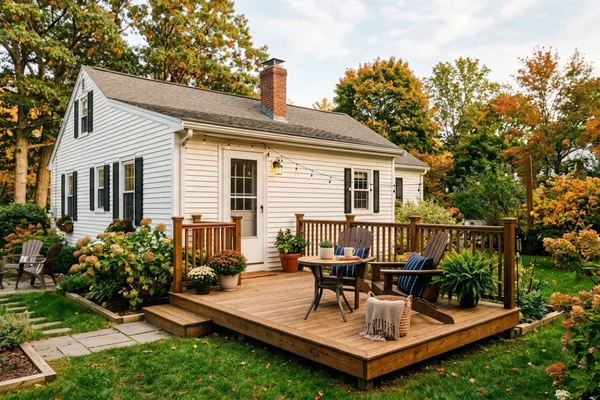
Unlike elevated decks that require extensive framing and stairs, ground level deck construction is built closer to the soil, usually within a few inches to a couple of feet. This means they’re more affordable and easier for DIY homeowners to build. Since they don’t need deck railings or deep footings in most cases, they offer a seamless transition between your indoor and outdoor spaces.
Building Codes and Permits for Ground-Level Decks
Even though your deck is low to the ground, building codes still apply. Local municipalities often require permits based on the deck’s size and whether it’s attached to your house. Some codes also specify the materials you can use or require a specific distance from property lines. Always check with your local authorities before beginning construction to avoid delays and potential fines.
Site Preparation Requirements
Proper site preparation is crucial when building a deck on the ground. Here’s how to start:
- Clear the area of grass, rocks, and roots.
- Ensure proper drainage by grading the soil slightly away from your house.
- Add gravel layer or landscape fabric to reduce weed growth and boost moisture control.
- Mark your layout using stakes and string to clearly define the space.
How to Build a Deck on the Ground: Step by Step Process
Wondering how to build a deck on the ground? Partner with experienced deck building contractors to choose the best deck design for ground level. With skilled deck construction and design, you’ll learn how to build a deck on the ground safely. Here’s a simple breakdown of the process:
Planning and Layout Phase
As you begin your project, it’s essential to have a solid plan and layout in place:
- Measure your space and decide on the dimensions.
- Sketch a rough design including features like benches or planters.
- Consider factors such as sun exposure, privacy, and traffic flow.
Foundation and Framing Installation
With your plan and layout finalized, it’s time to focus on the foundation and framing of your deck:
- Use concrete deck blocks, gravel pads, or treated wood posts as your base.
- Lay out beams and joists according to your plan.
- Ensure everything is level and square before proceeding.
Decking Installation and Finishing
Once you’ve secured the framework of your deck, it’s time to install the decking material:
- Select durable decking materials, such as pressure treated lumber, cedar, or composite.
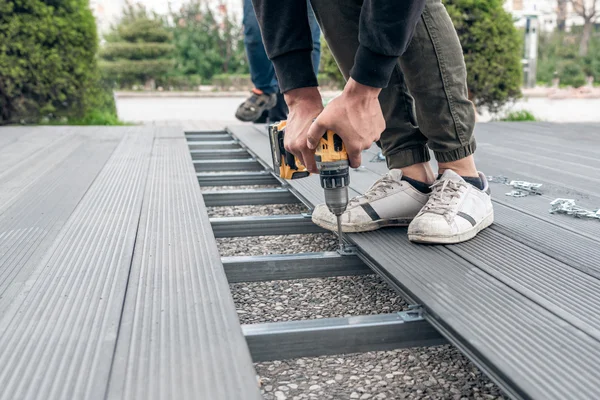
- Install boards perpendicular to joists, leaving small gaps for drainage.
- Use corrosion resistant screws or hidden fasteners for added stability and durability.
Essential Materials for Building a Deck on the Ground
Choosing the right materials ensures your deck lasts for years. Here are the must haves for ground level deck construction:

Lumber Options and Wood Selection
Choosing the right lumber for your deck is essential, as it affects both the aesthetics and durability of your outdoor space. Consider options like:
- Pressure-treated pine – Affordable and widely available.
- Cedar or redwood – Naturally resistant to rot and insects.
- Composite decking – Low maintenance and long lasting, though more expensive.
Hardware and Fastening Systems
Selecting the right lumber is just the beginning; the hardware and fastening systems you use play a significant role in the deck’s overall stability and longevity. Here are some components to evaluate:
- Galvanized or stainless-steel screws (to prevent rust).
- Joist hangers and post brackets for strong connections.
- Washers to minimize wood damage over time.
Foundation Materials
A solid foundation is essential for any deck, ensuring stability and durability over time. You can choose from various materials like:
- Concrete blocks – Strong and stable for most soil types.
- Gravel – Excellent drainage and weed prevention.
- Treated wood posts – Easy to install and eco-friendly.
Consider your climate and deck design when selecting the right materials for your project.
What Does It Cost to Build a Ground-Level Deck?
Costs can vary depending on the size, materials, and labor required. Here’s a rough breakdown:
| Expense Type | Cost Range |
| Materials | $15–$30 per square foot |
| Labor (if hired) | $3–$10 per square foot |
| Permits | $50–$200 (varies by city) |
| Extras (e.g., lighting, furniture) | Varies widely |
A small DIY deck might cost under $1,000, while a larger, high end build could run $5,000 or more.
Pro Tip: Buying materials in bundles or during sales can help reduce overall costs.
Creative Design Ideas for Ground-Level Deck Construction
Building a deck on the ground doesn’t have to look boring. Use these ideas to elevate your design:
Multi-Level and Tiered Deck Designs
If you’re looking to elevate your outdoor space, multi-level and tiered deck designs can create stunning visual interest while maximizing usable areas. Consider these ideas:
- Add separate levels for dining, lounging, or grilling.
- Use planters or steps to define each area.
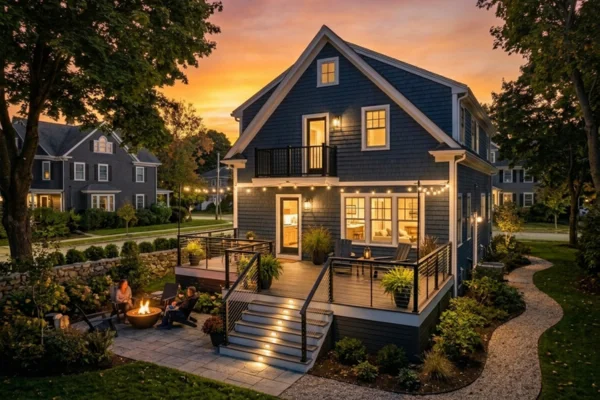
- Enhance nighttime use with solar-powered step lights.
Built-in Features and Functional Elements
Building a ground-level deck isn’t just about adding space; it’s also an opportunity to incorporate built in features that enhance functionality and style:
- Benches – Save space and add extra seating.
- Planters – Add greenery and color naturally.
- Storage boxes – Keep cushions and tools organized.
Landscaping Integration and Surrounding Areas
Integrating your ground level deck with the surrounding landscape can transform your outdoor space into a harmonious retreat. Consider these creative design ideas to enhance your deck’s appeal:
- Surround your deck with flower beds or gravel paths.
- Use natural materials like stone edging or wooden dividers.
- Plant low maintenance shrubs to create privacy.
Maintenance and Longevity Tips for Ground Level Decks
Just like any outdoor structure, ground level decks require routine maintenance to stay safe, attractive, and structurally sound.
Tips for a Long Lasting Deck:
- Clean regularly to remove dirt, pollen, and mildew that can lead to discoloration and wood decay. A simple broom and hose down every few weeks can make a big difference.
- Reseal every 2-3 years to shield your deck from moisture, UV rays, and temperature changes. Use a weather resistant sealant or stain appropriate for your deck material.
- Inspect for damage at the start and end of each season. Look for loose boards, popped nails, splinters, and signs of rot, especially after heavy rain or snow.
- Keep leaves and debris off the surface to prevent mold and staining. A leaf blower or push broom works great for quick cleanups.
- Ensure proper ventilation underneath by clearing out any weeds or blockages that could trap moisture under the deck.
With just a few hours of maintenance each year, your ground level deck can last 15 to 25 years, or even longer with high-quality materials and consistent care.
Final Thoughts – Best Deck Design For Ground Level
Building a deck on the ground can completely transform your yard into a personal retreat. Whether you’re working on a budget or splurging on composite materials, your ground-level deck can offer style, comfort, and functionality. Just remember: plan thoroughly, choose quality materials, and take care of your deck after it’s built.
If you want to know how to build a deck on the ground, expert deck building contractors can help. We will recommend the best deck design for ground level. Understanding deck construction and design ensures you know how to build a successful deck on the ground. With a little effort and inspiration, you’ll enjoy your outdoor space for many summers to come!
Don’t wait to create your perfect outdoor living space – call All Pro Newton Deck Builders now! Our expert team specializes in ground level deck construction with quality materials and craftsmanship.
Frequently Asked Questions
Can I build a ground-level deck without a permit?
You can build a ground level deck without a permit, but it depends entirely on your local regulations. Many municipalities allow decks that are less than 30 inches high to be constructed without a permit, especially if they’re not attached to the house. However, requirements vary widely depending on your location. Always check with your local building department before starting your project. It’s better to be safe and informed than face penalties or have to tear it down later.
What is the best time of year to build a deck?
The best time to build a deck is usually in spring or early fall. These seasons offer moderate weather, cool enough to work comfortably and warm enough for materials like wood and adhesives to perform well. Spring building also gives you the advantage of having your deck ready for summer use. Avoid peak winter or hot summer months, as extreme temperatures can delay the drying process, affect material performance, and make the work physically more demanding.
How long does it take to build a ground-level deck?
Building a ground level deck can take anywhere from one to three days for most homeowners, depending on the size, complexity, and the number of helpers available. A basic 10×10 deck with simple features can often be completed in a weekend. However, if you’re including multiple levels, built in seating, or decorative elements, the process may take longer. Having all materials on hand and a well planned layout will help reduce construction time and headaches.
Can I install a ground-level deck over grass?
Technically, yes, but it’s not recommended without proper site prep. Building directly over grass can lead to problems such as uneven settlement, moisture retention, and rot. Before construction, remove the grass and topsoil, level the ground, and lay down landscape fabric to prevent weeds. Add a gravel base for drainage and use concrete deck blocks or pavers to support the frame. This creates a more stable foundation, helping to extend the life of your deck.
What tools do I need for building a ground-level deck?
For a successful DIY ground level deck project, you’ll need a few essential tools:
- Tape measure and level (for accuracy and alignment)
- Circular saw or miter saw (for cutting boards to size)
- Power drill and screws (for fastening)
- Framing square (for straight corners)
- Shovel and tamper (for preparing the ground)
- Safety gear like gloves, goggles, and ear protection
Having the right tools on hand before you start will make the job smoother and safer.
What is the best wood to use for a ground-level deck?
The best wood for a ground level deck depends on your budget, climate, and desired look. Pressure treated lumber is the most common and budget friendly option, it’s treated to resist rot and insects, making it ideal for ground contact. Cedar and redwood are attractive, naturally resistant to decay, and ideal for those seeking a higher end finish. For a long lasting, low maintenance choice, composite decking is worth considering, though it comes at a higher cost. Always choose wood that’s rated for ground contact if your frame will be in direct contact with the soil.