Skip to content
 Many homes in Newton, Needham, Wellesley, and surrounding MetroWest communities sit on smaller lots, but that does not mean you have to sacrifice outdoor living space. With the right design, even a compact backyard can become a functional extension of your home. Are you looking for small backyard deck ideas? Our backyard decking experts share smart designs that maximize space, improve functionality, and create beautiful outdoor living areas for homes throughout the MetroWest area.
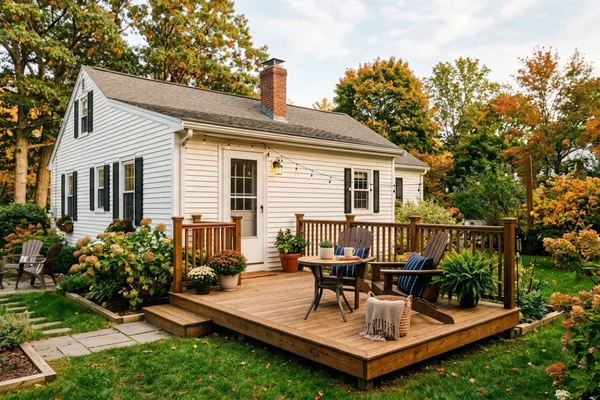
A well-planned deck maximizes every square foot through smart layouts, built-in features, and durable materials designed to withstand Massachusetts’ freeze-thaw cycles, humidity, snow, and seasonal temperature swings. Whether your goal is outdoor dining, entertaining, or simply creating a quiet place to relax, the right design can dramatically improve both usability and home value.
Small backyard deck ideas can transform even compact outdoor spaces into comfortable areas for dining, entertaining, or relaxing. Smart layouts and built-in features help maximize every square foot without making the deck feel crowded. Most Massachusetts homeowners enjoy their decks from spring through fall, making them one of the highest-value outdoor home improvements. The key is choosing a design that fits your available space, complements your home, and meets local building codes.
In this guide, you’ll discover practical small backyard deck options, the best decking materials for New England’s climate, common design strategies for maximizing limited space, estimated installation costs, and expert planning tips to help you build a deck that looks larger, functions better, and lasts for decades.
Discover practical backyard deck ideas for small yards that make every square foot count. From built-in seating to space-saving layouts, our local deck-building pros design decks that fit your lifestyle. Let’s take a deeper dive into small deck projects in MetroWest and the surrounding areas!
MAKING THE MOST OF LIMITED SQUARE FOOTAGE
A small backyard doesn’t have to limit your outdoor living. The key is designing a deck where every square foot has a purpose. With the right layout, even compact yards in Newton, Needham, Wellesley, and surrounding MetroWest communities can accommodate comfortable seating, dining, and entertaining. The latest MetroWest area decking trends emphasize low-maintenance materials, built-in seating, mixed-material railings, and outdoor living spaces that extend a home’s usable square footage from spring through fall.
Choose a Layout That Maximizes Space
While rectangular decks are common, they’re not always the best solution. L-shaped decks can create separate areas for grilling and relaxing without increasing the overall footprint, making them ideal for narrow lots and older colonial homes. Another simple design trick is installing diagonal deck boards, which draw the eye across the space and make smaller decks feel larger.
Select the Right Deck Height
For many Massachusetts homes, ground-level decks offer an affordable, space-saving option because they require fewer stairs and integrate naturally with the yard. Floating decks are especially popular for creating cozy seating areas or highlighting gardens and outdoor features. Homes with raised foundations, however, often benefit from an elevated attached deck, which provides easier access from the house while maximizing usable outdoor space.
Decking Setup and Design
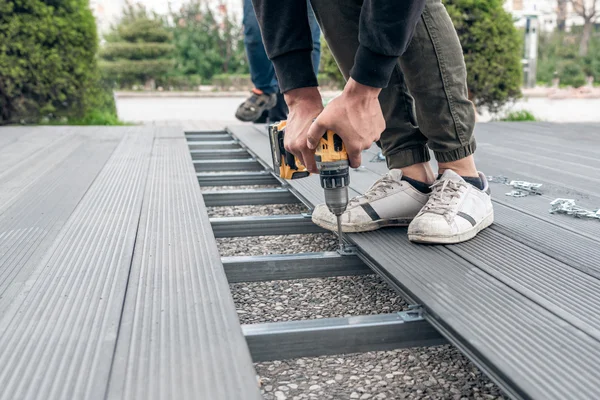
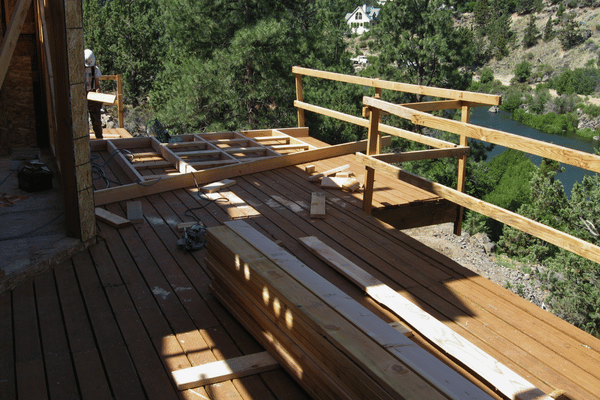
Regardless of the design, proper construction is essential. Massachusetts building codes require deck footings to extend below the local frost line—typically at least 48 inches—to prevent movement caused by freeze-thaw cycles. Proper foundations, quality materials, and professional installation ensure your deck remains safe, stable, and built to withstand New England’s climate for years to come.
This approach allows homeowners to create a deck that feels larger, functions better, and adds lasting value without needing a larger backyard.
Expert Tip: Plan for how you’ll use the deck before deciding on its size. Sketch out where your grill, dining table, seating, and walkways will go to ensure each area has enough room to function comfortably. Designing around your lifestyle—not just your available square footage—often results in a smaller deck that feels more spacious, works better for everyday use, and avoids paying for space you’ll rarely use.

MATERIAL CHOICES FOR SMALL BACKYARD DECK IDEAS IN MASSACHUSETTS
The decking material you choose has a major impact on upfront cost, long-term maintenance, durability, and overall value. Because small decks require fewer materials, many Massachusetts homeowners find they can upgrade to premium decking with a smaller increase in total project cost than expected.
Pressure-Treated Wood: The Most Affordable Option
Pressure-treated lumber remains the most budget-friendly choice for homeowners who want a durable deck at the lowest initial cost. A typical 12-by-12 pressure-treated deck in Massachusetts generally costs $6,000 to $10,000 installed, depending on factors such as deck height, railings, stairs, and site conditions.
The tradeoff is ongoing maintenance. To protect against New England’s humidity, rain, snow, and freeze-thaw cycles, pressure-treated wood should be cleaned and resealed every one to two years. Without routine care, boards are more likely to crack, warp, or weather prematurely. For smaller decks, however, maintenance is typically quicker and less expensive than for larger outdoor spaces.
Composite Decking: Best for Low Maintenance
For many homeowners, composite decking offers the best balance of durability and long-term value. Products from manufacturers such as Trex, AZEK, and TimberTech resist moisture, mold, fading, splintering, and insect damage, making them well suited for Massachusetts’ changing seasons.
Although composite costs more upfront, it eliminates the need for regular staining or sealing and often includes 25- to 50-year limited warranties, depending on the manufacturer and product line. Because the material cost difference is smaller on a compact deck, many homeowners find composite to be a worthwhile upgrade that reduces maintenance while increasing long-term value.
Premium Hardwoods: Luxury Appearance and Exceptional Longevity
For homeowners seeking a high-end finish, hardwoods like Ipe and mahogany provide outstanding durability and timeless curb appeal. Naturally resistant to rot, insects, and moisture, these dense hardwoods can last 40 years or more with proper care.
Unlike pressure-treated lumber, hardwoods require periodic oiling to preserve their rich color, though many homeowners choose to let them weather naturally into an attractive silver-gray patina. While premium hardwoods have the highest upfront cost, they create a distinctive look that complements luxury homes and can enhance resale appeal.
Expert Tip: If your budget allows, a small deck is often the most cost-effective place to invest in premium materials. Upgrading from pressure-treated wood to composite or hardwood typically adds far less to the total project cost than it would on a large deck, while delivering years of reduced maintenance and improved appearance.

DESIGNING A SMALL DECK THAT FEELS LARGER
A small deck doesn’t have to feel cramped. The right design choices can maximize usable space, improve comfort, and create the appearance of a larger outdoor living area—all without increasing the deck’s footprint. The best backyard deck ideas for small yards focus on efficient layouts, multi-functional features, and thoughtful furniture placement to create an outdoor space that feels larger than its actual footprint.
Incorporate Built-In Features
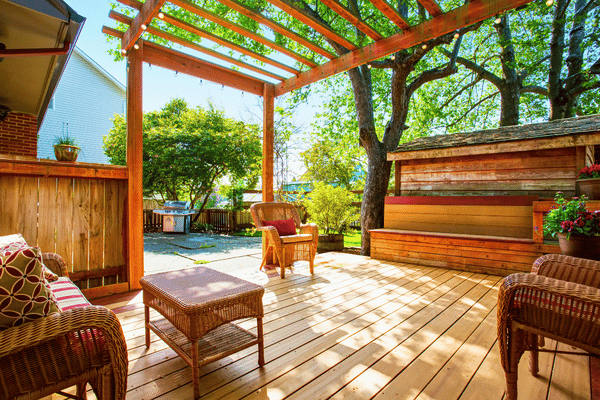
Built-in seating is one of the most effective ways to maximize a compact deck. Unlike freestanding furniture, perimeter benches free up valuable floor space while providing ample seating for family and guests. Many homeowners also incorporate hidden storage beneath built-in benches, creating a convenient place to store cushions, gardening tools, or seasonal outdoor accessories.
Built-in planters are another smart addition. Positioned along the deck’s perimeter or in corners, they add greenery and define the space without reducing usable square footage, helping the deck feel polished and intentionally designed.
Think Vertically
When space is limited, adding height creates a greater sense of openness and functionality. Pergolas, privacy screens, decorative railings, and vertical gardens draw the eye upward, making the deck feel larger while adding shade, privacy, and architectural interest.
This is especially valuable for homes in Newton, Needham, Wellesley, and other MetroWest neighborhoods, where homes are often situated close together. Privacy screens or climbing plants can create a more secluded outdoor retreat without sacrificing natural light.
Extend Your Outdoor Living with Lighting
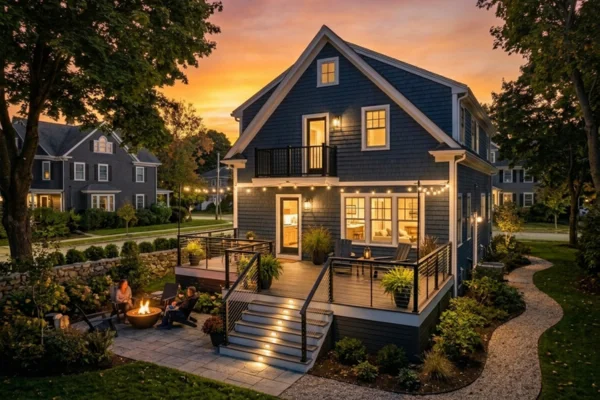
Thoughtfully designed lighting lets you enjoy your deck well beyond sunset while enhancing safety and ambiance. Popular options include recessed stair lights, post cap lighting, under-rail LED strips, and overhead string lighting. Layering these fixtures creates a warm, inviting atmosphere for relaxing or entertaining while improving visibility on stairs and walkways.
Expert Tip: The most successful small backyard deck ideas and plans combine multiple space-saving features—such as built-in seating, vertical design elements, and integrated lighting—to create an outdoor living area that feels larger, functions better, and adds lasting value to your home.

SMALL DECK DECORATING IDEAS THAT ADD REAL VALUE
A well-designed deck doesn’t end with the construction. The right furniture, landscaping, and finishing touches can make a small outdoor space feel larger, more functional, and more inviting, while increasing the value of your investment.
Furniture Scale and Placement
Looking for deck ideas for small backyards? Features like built-in benches, vertical planters, pergolas, and diagonal deck boards can improve functionality while creating the illusion of more space. Choosing furniture that’s proportional to your deck is essential.
Oversized sectionals and bulky dining sets can quickly overwhelm a compact space, leaving little room to move comfortably. Instead, opt for bistro sets, loveseat-sized seating, built-in benches, or folding and stackable chairs that maximize flexibility without sacrificing comfort. Thoughtful placement also makes a difference. Position furniture to maintain clear walking paths and create distinct areas for dining or relaxing. An outdoor rug is an easy way to visually separate these zones, helping a small deck feel like a well-planned outdoor living room rather than a crowded patio.
Plants, Color, and Finishing Touches
Creative small deck decorating ideas such as compact furniture, outdoor rugs, layered lighting, and rail-mounted planters help turn a modest deck into a welcoming outdoor living area. Rail-mounted planters, hanging baskets, and vertical gardens introduce color and greenery while preserving room for seating and entertaining. For Massachusetts’ climate, hardy plants such as lavender, ornamental grasses, and other cold-tolerant perennials provide long-lasting beauty with minimal maintenance.
When selecting colors, neutral decking and furniture tones—such as natural wood finishes, warm browns, and gray composites—create a timeless look that helps smaller spaces feel more open. Add personality with colorful cushions, planters, outdoor pillows, and seasonal décor, which are easier and less expensive to update than permanent design elements.
Expert Tip: Before purchasing furniture, measure your deck and map out each piece with painter’s tape or cardboard. This simple planning step helps ensure comfortable traffic flow, prevents overcrowding, and allows you to create an outdoor space that’s both functional and enjoyable. Many professional deck designers use this technique during the planning process to maximize every square foot.

If you are ready to stop looking at your small backyard as a limitation and start seeing it as an opportunity, Newton Deck Builders is ready to help. We design and build decks specifically for the homes, lots, and climate conditions of Newton and the MetroWest area. Every project starts with a free design consultation where we review your space, discuss your goals, and provide an honest assessment of what is possible within your budget.
Our experienced backyard decking experts recommend designing around how you’ll use the space first, ensuring your deck supports dining, entertaining, relaxing, or grilling without wasting valuable square footage. Visit our deck design and installation page at newtondeckbuilders.com to browse completed projects and request your consultation.
The most successful small backyard deck ideas combine practical design, durable materials, and efficient layouts to create an outdoor space that feels open, comfortable, and easy to maintain. Our team is available to meet with homeowners throughout Newton, Needham, Wellesley, Weston, and Brookline. Let us show you what a well-built small deck can do for your home.
FREQUENTLY ASKED QUESTIONS
How do you make a small deck look bigger?
A small deck feels larger when it’s designed with built-in seating, light-colored decking, diagonal board patterns, and properly scaled furniture. Vertical elements like pergolas, privacy screens, and rail planters also add dimension without taking up valuable floor space.
What is the cheapest deck to build in Massachusetts?
The most affordable option is typically a ground-level pressure-treated wood deck with a simple rectangular design. In the Newton and MetroWest area, basic projects often start around $5,000 to $8,000, depending on size, site conditions, permits, and finishing details.
How much does a 20-by-20 deck cost in the Newton, MA area?
A 20-by-20 (400-square-foot) deck in Newton typically costs $18,000 to $35,000+. Final pricing depends on decking material, deck height, railing style, stairs, site preparation, and structural requirements needed to meet Massachusetts building codes.
Is a 12-by-12 deck large enough?
Yes. A 12-by-12 deck (144 square feet) provides enough space for outdoor dining, relaxing, or grilling when designed efficiently. Built-in seating, compact furniture, and thoughtful layouts maximize functionality while keeping the space comfortable and uncluttered.
Do I need a permit to build a small deck in Newton, Massachusetts?
In most cases, yes. Decks attached to a home or elevated 30 inches or more above grade generally require official paperwork to be filed. Local codes also require proper footings, structural framing, and inspections to ensure the deck is safe and compliant.
What is the best decking material for Massachusetts weather?
Composite decking performs exceptionally well in Massachusetts because it resists moisture, rot, fading, and freeze-thaw damage. Pressure-treated wood remains a budget-friendly option but requires regular cleaning, staining, and sealing to maintain its appearance and longevity.
Does a small deck increase home value?
Yes. A professionally designed and properly permitted deck can improve curb appeal, expand usable outdoor living space, and increase resale appeal. Low-maintenance materials and thoughtful design features often provide the greatest long-term return on investment.
What features make a small deck more functional?
Built-in benches, hidden storage, multi-level lighting, compact furniture, and vertical privacy features help maximize every square foot. Designing the deck around how you’ll use the space creates a more comfortable and practical outdoor living area.
How do I choose the right deck builder in the MetroWest area?
Look for a licensed and insured contractor with experience building decks in Massachusetts. A qualified deck builder should understand local building codes, frost-depth requirements, paperwork and procedures, material options, and provide detailed estimates along with examples of completed projects.