Skip to content
 Adding a porch to a house can boost curb appeal while also helping to expand your outdoor living space. Before diving in, consider key factors like design, size, and local building codes. These choices affect both functionality and value. A well planned approach ensures your new porch complements your home perfectly, let’s explore what you need to know before getting started.
Adding a porch to a house is a great way to create a welcoming entryway. Whether you’re considering adding a front porch for extra outdoor living space or enhancing the home’s character, a well designed front porch can significantly impact you. The cost to build a porch varies depending on size, materials, and custom features like railings or roofing. Investing in a front porch improves functionality and adds value to your home.
With thoughtful planning, your new porch can become a favorite spot for relaxing, entertaining, or simply enjoying the outdoors. Here’s what you need to know to get started:
Benefits of Adding a Front Porch to Your Home
Enhancing your home with a new porch can significantly boost its property value, making it a wise investment. It also creates additional living space to relax, entertain, or enjoy the outdoors. Let’s explore how these benefits can enhance your home and lifestyle.

How a Front Porch Addition Increases Property Value
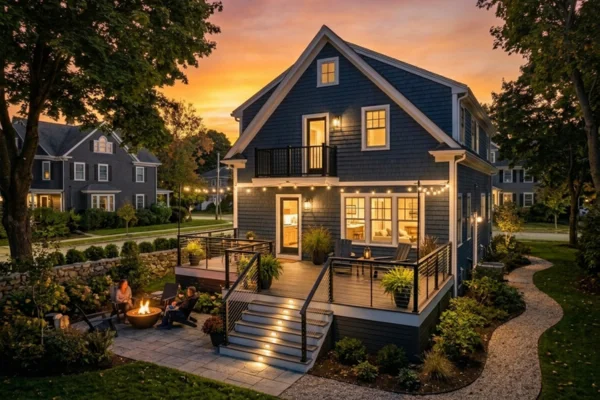
A well-designed porch installation can significantly boost a home’s market value. It enhances curb appeal, creates a warm first impression, and provides functional outdoor space. Buyers often view porches as highly desirable features, helping your property stand out.
In fact, homes with porches frequently sell for more, making this upgrade attractive and a wise and rewarding investment.
Creating Additional Living Space with a Porch
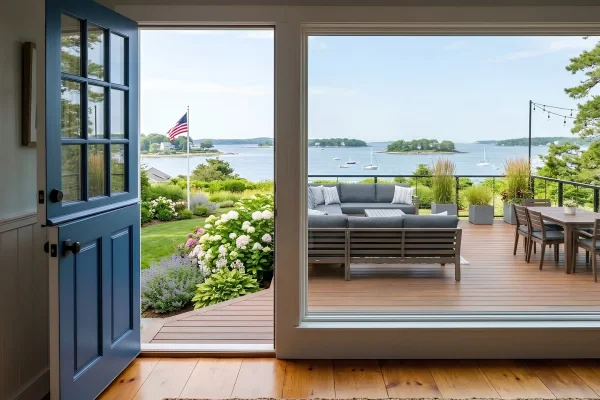
A front porch offers a practical way to expand your living space without major renovations. It provides a cozy area for relaxing, socializing, or enjoying fresh air. With the proper setup, it becomes an outdoor extension of your home, usable in many seasons.
Adding a porch to a house blends style with function, making your home more inviting and enjoyable for everyday living.
Planning Your Porch Addition Project
When planning your porch addition project, consider the ideal size and style for your home.
Determining the Ideal Porch Size and Style
Choosing the right size and style is essential when planning a new porch. Consider your home’s architecture and how you intend to use the space. A wrap-around porch suits traditional homes, while sleek designs work better with modern styles.
Think about yard space, seating needs, and sun exposure. These factors help you create a functional, attractive porch while keeping the overall cost of building a porch within budget.
Navigating Permits and Building Codes for Porch Construction
Understanding local permits and building codes is critical before starting your porch project. Regulations vary by municipality, so contact your local building department for guidelines. You may need to submit detailed plans and undergo inspections to ensure safety and compliance.
Factors like setbacks, height limits, and materials all play a role. Skipping this step can lead to fines or required changes. Proper planning helps prevent delays and ensures your porch is built legally and safely.
Selecting Materials for Your Front Porch Addition
When adding a front porch, selecting the right materials is key to ensuring long term durability, visual appeal, and minimal upkeep. Here’s a breakdown of popular options and their benefits:
- Wood Decking: Offers a classic, warm look but requires regular staining or sealing to prevent weather damage.
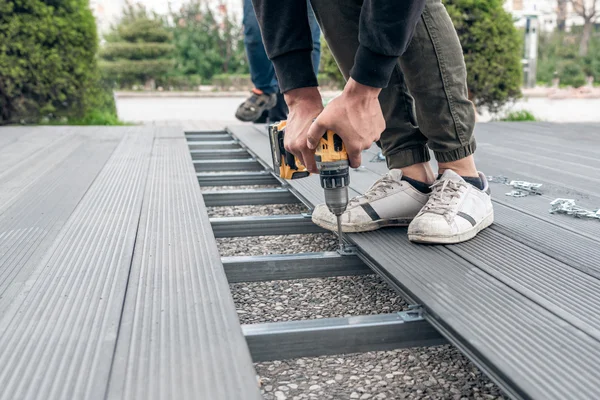
- Composite or PVC Decking: Low maintenance alternatives that resist rot, fading, weathering, and insect damage.
- Pressure-Treated Lumber: Ideal for structural framing due to its resistance to moisture and decay.
- Vinyl, Aluminum, or Metal Railings: Durable and stylish options that require little upkeep or regular maintenance.
- Stone, Brick, or Concrete Accents: Add a unique texture and a custom finish to your porch design.
- Color and Texture Coordination: Choose finishes that complement your home’s exterior for a cohesive look.
Carefully selecting materials ensures that your porch will look great and withstand the elements for years to come.
How Much Does It Cost to Build a Porch?
Understanding the costs involved is essential when planning to build a porch. Let’s break down these budget factors to help you get a clearer picture of what to expect.
Breaking Down the Cost to Build a Porch by Size
The size of your porch greatly influences overall expenses. Here’s a breakdown of expected costs based on different porch dimensions.
- Small Porch (around 100 sq. ft.): These cost $10,000 and range from $5,000 to $10,000, and they are ideal for simple entryways or compact seating.
- Medium Porch (200–300 sq. ft.): Expect to pay $10,000 to $20,000, suitable for entertaining or relaxing with added furnishings.
- Large Porch (over 300 sq. ft.): Prices often exceed $20,000, especially with extras like roofing, lighting, or custom finishes.
Budget Factors: Materials, Labor, and Design Complexity
Size isn’t the only factor affecting porch costs, several key elements contribute to your final budget:
- Materials: Wood is traditional but requires upkeep; composite and vinyl cost more upfront but last longer.
- Labor: Professional installation varies by region. More intricate work or custom elements can increase hourly rates.
- Design Complexity: A basic rectangular porch is more affordable. Add ons like wrap around layouts, railings, or screens increase time and cost.
Front Porch Addition Design Ideas
Adding a front porch can transform your home’s exterior, offering charm and practicality. These design ideas for adding a porch highlight ways to enhance curb appeal and create inviting outdoor spaces.
Popular Architectural Styles for Front Porches
A new front porch offers more than just extra space, it’s a chance to complement your home’s architectural style and boost curb appeal. Here are some popular design styles to consider:
- Victorian Porch: Known for ornate railings, turned posts, and decorative trim, perfect for historic homes.
- Modern Porch: Features clean lines, neutral colors, and minimal ornamentation for a sleek, updated look.
- Craftsman Porch: Highlights natural materials, exposed beams, and tapered columns for a cozy, handcrafted feel.
- Southern Wraparound Porch: Extends around the home, offering shade and charm, ideal for warm weather living.
Customizing Your Porch to Complement Your Home
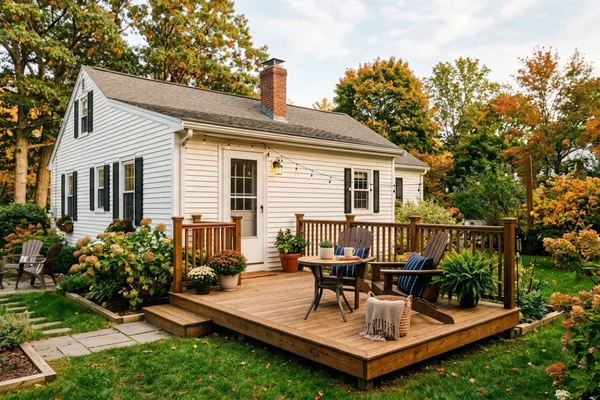
Customizing your porch to complement your home’s style enhances curb appeal and creates a harmonious look. For a front porch addition, choose materials that reflect your architecture, wood suits craftsman-style homes, while metal or glass works well for modern designs. Wooden porch flooring not only adds timeless warmth and charm but also blends seamlessly with traditional and rustic aesthetics.
Consider roof types that harmonize with your home, and add decorative railings and stylish lighting to boost character. Selecting colors that match your exterior finishes the look. Finally, personalize the space with comfortable seating and greenery, making your porch not only beautiful but also welcoming and functional for relaxing or entertaining.
What Should You Consider Before Adding a Porch to Your House?
Before you add a porch to your house, inspect its structure closely to ensure it’s compatible with the new addition.
Evaluating Your Home’s Structure for Porch Compatibility
Assess the existing structure for compatibility before adding a porch to a house. Check that the foundation can support additional weight, and evaluate how the porch will align with your home’s roofline and layout.
Door placement and accessibility should allow for smooth flow. Don’t overlook building codes or zoning regulations, they are critical in planning a safe and compliant addition.
Climate Considerations When Adding a Front Porch
Designing a porch involves more than just style, it also requires thoughtful climate planning. Different weather conditions can significantly impact your porch’s comfort, durability, and functionality.
Here are key factors to consider when designing your porch to suit your local climate:
- Hot climates: Prioritize shading, ventilation, and light-colored materials.
- Cold regions: Add windbreaks, insulation, or outdoor heaters.
- Rain/snow zones: Install a durable roof and use moisture-resistant materials.
- Sunny areas: Use UV-resistant finishes and consider awnings or pergolas for protection.
- Windy spots: Reinforce structures and secure, lightweight furniture.
Step-by-Step Process of Adding a Porch to Your House
Adding a porch to your house involves careful planning and execution. From initial design to final touches, following a step-by-step process ensures a smooth build and a beautifully integrated addition.

Foundation and Structural Requirements
A stable foundation and proper structure are essential for safety, longevity, and code compliance when adding a porch to your house. Here’s what to consider:
- Check Local Codes: Confirm zoning laws and building permits before starting so you can abide as needed.
- Choose the Right Foundation: Use concrete slabs, footings, or piers based on the type of soil and porch size.
- Consult a Structural Engineer: Evaluate load-bearing capacity and framing design to keep safety a priority.
- Select Durable Materials: Use pressure-treated lumber or steel for beams and supports to maximize stability.
- Account for Soil and Climate: Adapt foundation design to resist shifting or frost damage all year long.
- Plan Drainage Solutions: Ensure proper water runoff to prevent erosion and shifting beneath the porch.
Roof Tie-in and Weatherproofing Techniques
Once your porch structure is in place, the roof tie-in and weatherproofing ensure the space stays dry and protected year-round. Key steps include:
- Plan the Roof Connection: Match the porch roof slope to the existing roofline for a seamless tie-in.
- Install Proper Flashing: Apply metal flashing at connection points to prevent leaks.
- Match Roofing Materials: Use the same or complementary shingles, tiles, or panels.
- Add Gutters and Downspouts: Remove rainwater to protect the foundation and porch floor.
- Seal Openings: Use exterior-grade caulk around doors, windows, and joints.
- Insulate if Needed: If enclosed, insulate ceilings and walls for comfort.
These measures protect your investment and ensure the porch performs well in all seasons.
Final Thoughts on Adding a Porch to a House
Adding a porch to a house enhances its charm, functionality, and value.
Whether you prefer a cozy retreat or a space for entertaining, thoughtful design and quality materials matter; consider your style, budget, and local building codes. With the proper planning, your porch will become a lasting, welcoming feature that blends comfort, beauty, and purpose into your home’s exterior.
Ready to transform your home with a beautiful new porch? Contact our porch expert in Newton today for a free consultation and quote to bring your porch dreams to life!
Frequently Asked Questions About Front Porch Addition
1. Do I Need a Permit to Build a Porch?
Determine if you need a permit to build a porch. Regulations vary by location, and it’s essential to guarantee you comply with all necessary legal requirements before starting your project.
2. How Long Does It Typically Take to Build a Porch?
Depending on its size and complexity, a porch typically takes one to three weeks to build. For a more accurate timeframe, you will want to factor in weather conditions, material availability, and your contractor’s schedule.
3. Can I Build a Porch Myself or Hire a Contractor?
You can definitely build a porch yourself if you’ve got the skills and tools, but hiring a contractor guarantees professional quality and saves time. Weigh your experience and budget before making a decision.
4. What Materials Are Best for Porch Construction?
For porch construction, you will want to consider materials like pressure-treated wood, composite decking, or vinyl. Each offers durability and style, so consider your budget and maintenance preferences to choose the best option for you.
5. Will Adding a Porch Increase My Home’s Value?
Yes, adding a porch can increase your home’s value. It enhances curb appeal and offers additional living space, attracting potential buyers. Just make sure to choose quality materials and designs that complement your home’s style.